
Hidden carbs can hide in sauces, marinades, and even “no added sugar” items, so you should start by checking ingredient lists for starch variants and sugars (look for -ose endings, corn syrup solids, maltodextrin, evaporated cane juice). Compare nutrition panels for total carbs and added sugars, beware “modified food starch” or vague “natural flavors,” and note serving sizes. Track brands and portions, favor whole foods, and stay skeptical of claims—there’s more hidden carbs than you might expect, and the next steps matter.
Important Facts
- Read ingredient lists for starch variants and -ose endings, like dextrose, sucrose, maltodextrin, and corn syrup solids.
- Check nutrition panels for total carbs and added sugars; beware “no added sugar” labels masking starches.
- Watch for hidden thickeners and syrups such as modified food starch, malt, and natural flavors.
- Consider serving sizes; even one extra serving can significantly raise carb intake.
- Favor whole foods, prepare meals from scratch, and verify unfamiliar ingredients with the manufacturer.
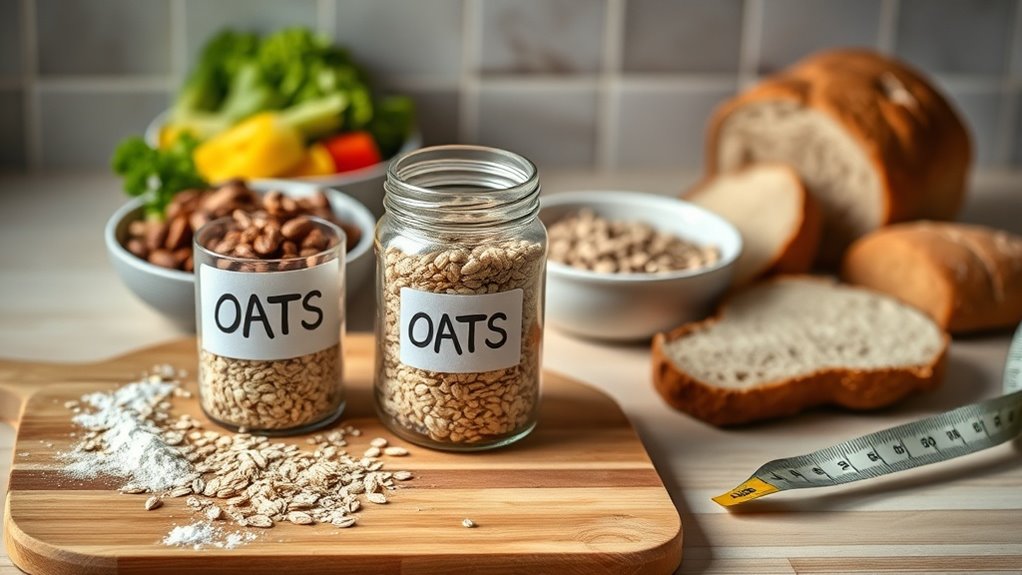
Hidden carbs can lurk in everyday foods you’d least expect, from sauces and dressings to processed snacks and beverages. You shop clean labels, yet you’re still wondering which ingredients quietly add up. The first step is to understand that carbohydrates aren’t just obvious desserts or bread; they hide in sauces, marinades, and beverages as added sugars or starches. In practice, you’ll look past flashy “low carb” claims and dig into the details of the ingredient list and nutrition panel. You’ll notice terms like corn syrup solids, dextrose, maltodextrin, and evaporated cane juice. These aren’t inherently evil, but they raise total carb counts and can trigger hidden sugar concerns in a way that sabotages your plan if you don’t count them.
Hidden carbs hide in sauces and snacks; read labels and count servings thoughtfully.
Evidence shows that many packaged foods rely on starch or sugar to improve texture, flavor, and shelf life. Starch mislabeling is a real risk: foods labeled as “vegetable blend” or “no added sugar” may still include starches such as cornstarch, potato starch, tapioca, or rice flour under different names. You’ll want to parse ingredients that end with -ose (sucrose, glucose, lactose, maltose) and any starch variant, which often sneak into sauces, gravies, seasoning mixes, and ready-to-eat meals. When you see “malt” or “maltodextrin,” know these contribute rapidly digestible carbs and can spike blood sugar, even if the product isn’t overtly sweet.
To spot hidden carbs, you’ll compare nutrition panels across brands and sizes. Look at total carbohydrate and added sugars, not just calories. Note that a product can be low in fat or calories yet high in carbs from starches or syrups. In practice, you’ll track servings carefully—serving sizes are frequently small, and a second serving can double the carb intake. If a product lists “modified food starch” or “natural flavors” without specificity, treat it as a potential carb source and either verify with the manufacturer or choose a simpler option.
Hidden sugar is a frequent culprit in beverages, condiments, and salad dressings. Even items marketed as “organic,” “natural,” or “healthy” can contain syrups or starch thickeners. You’ll assess both added sugars and total carbs to gauge impact on your plan. When you encounter unfamiliar terms, you’ll research or contact customer support for clarity, documenting your findings to guide future purchases. Starch mislabeling isn’t universal, but it’s common enough to warrant skepticism about “no added sugar” labels and “diet” versions. You’ll favor whole, minimally processed foods and prepare meals from scratch when possible to reduce carb surprises. By building a quick checklist—read labels, count servings, verify unknown ingredients—you’ll minimize hidden carbs without sacrificing flavor or convenience.
Commonly Asked Questions
How Do Hidden Carbs Affect Daily Insulin Needs?
Hidden carb metabolism can raise and unpredictably shift daily insulin needs due to variable glucose release, even from small amounts. You may see insulin variability as you consume foods with hidden carbs, requiring more careful bolus timing and basal adjustments. Track your responses, use consistent carb counting, and monitor with frequent checks. If you notice strong fluctuations, discuss adjustments with your clinician. Staying consistent helps you better align insulin with actual glucose impact rather than guesses.
Which Common Condiments Hide Surprising Sugars?
Hidden carbs hide in several common condiments, including ketchup, barbecue sauce, teriyaki, and salad dressings. Look for added sugars on the label and choose “no added sugar” or plain varieties. Condiment sneaks like honey mustard and sweet chili sauces can surprise you, so measure portions instead of freely squeezing. Prefer unsweetened salsa, mustard, and vinaigrettes. Check serving sizes, compare carbs per serving, and opt for low-sugar or sugar-free options when possible.
Do Artificial Sweeteners Count Toward Net Carbs?
Answer: Yes, artificial sweeteners can count toward net carbs for some people, depending on digestion and glucose responses. You should track how your body handles them, especially if you’re managing daily insulin needs. Net carbs may include sugar alcohols and certain blends, but many artificial sweeteners don’t spike blood sugar for most folks. Monitor personal responses, read labels, and keep notes to guide your decisions about hidden carbs and meal planning.
Can Fruit Juice Be Avoided Without Losing Flavor?
Yes—you can avoid fruit juice without losing flavor. Try fruit juice substitution with alternatives like flavored waters, herbal teas, or real fruit infusions. Use flavor preservation strategies such as adding citrus zest, berry muddles, or a splash of 100% juice to preserve brightness in recipes. Aim for balanced sweetness with spices or vanilla. This evidence-based approach maintains taste while cutting carbs, helping you enjoy drinks and meals without relying on juice.
What Label Terms Indicate Hidden Starches?
Hidden starches show up in label terms like corn starch, potato starch, tapioca starch, and modified starch. Look for starch synonyms and carbohydrate sources such as dextrin, maltodextrin, and plant-based binders. Watch for sugar alcohols, which can mask carbs, and phrases like “partially hydrogenated” fats. By checking ingredient lists and nutrition panels, you’ll spot hidden starches and make lower-carb choices with confidence.