
Did you know that a keto plan can cost as little as $3–5 per day when you focus on budget staples? You can build protein-focused meals with eggs, canned fish, chicken thighs, tofu, and bulk-ground beef, paired with plenty of vegetables (frozen options save money). Batch-cook, reuse leftovers, and use pantry basics like olive oil and cheese to stretch every dollar. Track protein and carbs for a couple weeks, watch for sales, and you’ll see where your budget has room to grow or tighten.
Important Facts
- Build daily protein targets with affordable sources: eggs, canned tuna, chicken thighs, tofu, tempeh, and legumes in moderation.
- Center meals on budget keto staples: eggs, cabbage/greens, frozen veg, cheese, butter, and canned fish.
- Batch cook and use sheet-pan or one-pot meals to maximize leftovers and cut costs.
- Prioritize simple, two-to-three protein meals with ample vegetables; add high-fat components as needed.
- Track intake for a few weeks; adjust portions or swap to bulk ingredients to stay under budget.
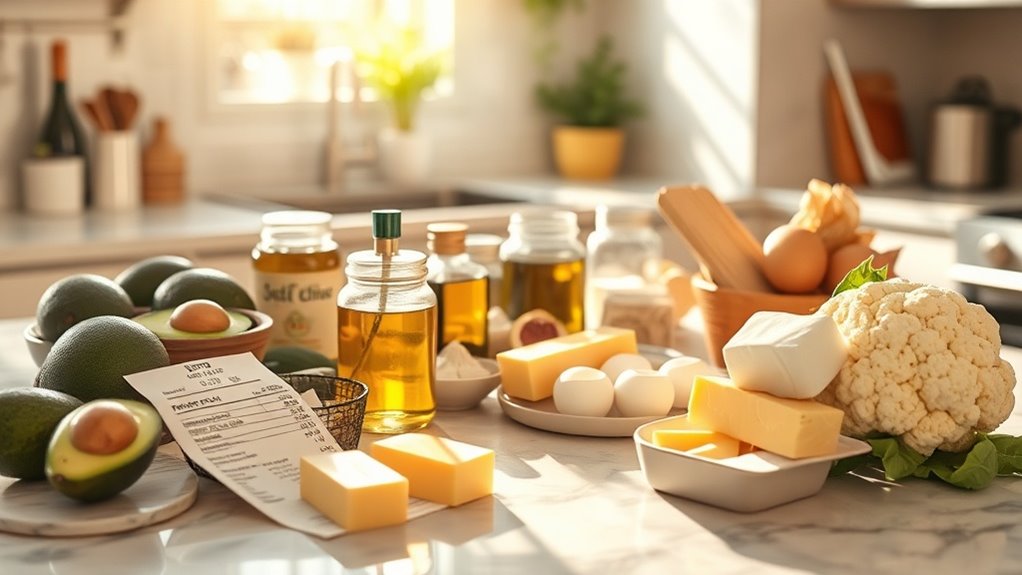
If you’re trying to follow a keto plan on a tight budget, is it possible to eat well without overspending? Yes, with a practical approach grounded in evidence. You’ll want to prioritize nutrient-dense, affordable options that fit your macro goals, rather than chasing premium brands or exotic ingredients. Start by calculating your daily protein target and distributing it evenly across meals. This isn’t about chasing perfect timing, but about steady availability of amino acids to support muscle maintenance and satiety. Budget-friendly protein sources—eggs, canned tuna, chicken thighs, ground beef, tofu, tempeh, and legumes in limited amounts—can meet needs when planned thoughtfully. Remember that protein timing matters, but it’s a secondary lever to overall daily intake and meal balance, not a rigid constraint.
Keto on a budget works with planful protein and simple, affordable meals.
Many budget myths influence choices, so you’ll want to critically assess claims that keto must be expensive or that only specialty products work. Evidence shows that whole, minimally processed foods often deliver better value and similar metabolic effects. Plan meals around affordable staples like eggs, affordable cuts of meat, inexpensive greens, cabbage, and frozen vegetables. Stock up during sales and use coupons or loyalty programs for high-protein items. Batch cooking saves time and reduces waste, letting you leverage cheaper cuts with longer cooking methods to maximize flavor and satiety per dollar.
Fat sourcing is central to ketosis and cost efficiency. You don’t need fancy oils; olive oil, canola oil, or coconut oil can cover most needs. Nuts and seeds are valuable for micronutrients and fat, but buy in bulk and portion to avoid overconsumption. Avocados are nutritious but can be pricey; when out of reach, emphasize olive oil and fatty fish options that fit your budget. Hydration and electrolytes matter on keto, and a simple water plan with occasional electrolyte supplements can prevent costly missteps. Unsweetened beverages and plain coffee or tea help curb cravings without adding excess calories.
A practical approach to meal structure emphasizes simplicity: two to three protein-centric meals with ample vegetables, plus optional high-fat additions to meet energy targets. Use pantry staples like canned fish, cheese, butter, and full-fat dairy to pad meals affordably. If you’re short on time, lean on sheet-pan or one-pot recipes that maximize leftovers, reducing waste and cost per meal. Track intake for a couple of weeks to confirm you’re meeting daily carbs, protein, and fat targets without overspending. If you notice you’re undereating, gently increase portion sizes or add a protein-rich snack; if you’re overspending, swap to more bulk ingredients and fewer premium items. Budget myths, protein timing, and meal planning converge here: consistency matters most for metabolic adaptation and satiety, not perfection in weekly menus. With careful planning, keto on a tight budget remains feasible, evidence-aligned, and practically sustainable.
Commonly Asked Questions
How Can I Get Enough Fat on a Shoestring Budget?
“Hit the nail on the head,” you can get enough fat on a shoestring by prioritizing cheap fats and budget fats. Focus on affordable sources like olive oil, peanut butter, eggs, canned sardines, butter, and full-fat dairy in moderate portions. Mix fats with protein and fiber to stay satiated. Track portions, compare unit prices, and batch-cook. Evidence suggests balanced fat intake supports ketosis; observe tolerance, adjust portions, and avoid hidden sugars.
Are Keto Snacks Worth the Cost for Beginners?
Yes, keto snacks can be worth it for beginners, but their value hinges on how you budget. keto snack value improves when you choose nutrient-dense, affordable options like hard cheeses, nuts in moderation, boiled eggs, or homemade fat bombs. For beginner budgeting, prioritize snacks that support hunger control and macro targets without derailing the plan. Track costs, compare store-brand items, and use whole foods to maximize value and adherence.
Which Cheap Protein Sources Are Keto-Friendly?
You can grab cheap protein sources like eggs, canned tuna, chicken thighs, and ground beef, which fit keto and stay budget-friendly. For budget options, look to frozen fish, tofu if you use it, and full-fat dairy. You’ll note that portion sizes matter: prioritize protein at each meal to support ketosis without overspending. Eggs and canned options offer high value, while rotating meats helps keep costs predictable and your macros on track.
Can I Follow Keto With Limited Cooking Gear?
Yes, you can follow keto with limited cooking gear. Start with simple, nutrient-dense basics and leverage basic gadgetry like a microwave-safe steamer, blender, and a single skillet. Plan budget friendly meals that rely on eggs, canned fish, cheese, oils, and frozen vegetables. Track macros, stay hydrated, and batch-cook when possible. This approach stays evidence-based, practical, and budget-conscious, helping you maintain ketosis without fancy equipment or elaborate recipes.
How Do I Track Macros Cheaply and Accurately?
So you want to track macros cheaply and accurately? Yes, you can. Use a simple food diary or app, log portions, and rely on nutrition labels to budget carbs and fats. Track weekly trends, not perfection, and adjust portions to align with your targets. Prioritize whole foods, estimate when needed, and recheck accuracy after dinners out or treats. This evidence-based plan keeps you honest without breaking the bank.