
You might think you need hours to eat low-carb, but you don’t. With quick proteins, fats, and fiber, you can build satisfying meals in under 10 minutes. You’ll find practical combos—eggs with greens, tuna with celery, or rotisserie chicken on greens—that keep carbs low and energy steady. Ready to see how simple choices fit a busy day and where to start, without sacrificing flavor or nutrition? Keep going to uncover fast, evidence-based options that work.
Important Facts
- One-pan versatility: quick eggs with greens and feta (or avocado/olives for dairy-free) finish in under eight minutes.
- Quick-protein ideas: canned tuna with celery and lemon, or rotisserie chicken over greens with a light yogurt or mayo dressing.
- Snack-forward meals: rolled turkey with cucumber sticks and a small cheese square for balanced protein-fat-fiber intake.
- Keto beverages: unsweetened coffee/tea, lemon-sparkled water, or bone broth to stay in ketosis with hydration.
- Plan-ahead wrap-up: a 10-minute vegetable-forward sauté with lean protein plus olive oil and herbs to sustain energy and satiety.
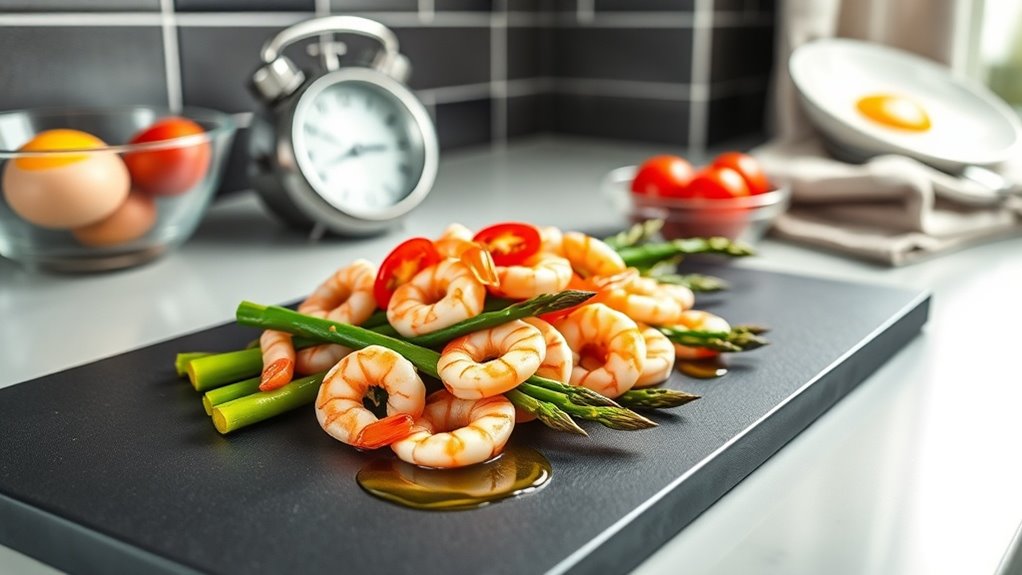
Craving a quick, low-carb meal? You’re aiming for meals that fit a busy schedule without sacrificing evidence-based nutrition. In under 10 minutes, you can assemble options that emphasize protein, fiber, and healthy fats to stabilize blood sugar and curb cravings. The key is prep infrastructure: keep a short list of staples, use quick-cix protein sources, and choose vegetables that cook rapidly. Think pre-washed greens, cucumber coins, bell peppers, and cherry tomatoes for speed and variety.
Start with one-pan versatility. Sautéed eggs with spinach and feta comes together in minutes and delivers high-quality protein plus micronutrients. If you crave dairy-free, swap feta for avocado or olives. A tablespoon of olive oil or butter fuels the skillet and adds satiety through healthy fats. For a no-fuss option, scrambled eggs folded over a handful of arugula creates a warm, nutrient-dense dish in under eight minutes. You’ll appreciate the rapid rise in fullness without heavy digestion.
Start with one-pan versatility: quick eggs, greens, and feta (or avocado) for a nutrient-dense, satiating skillet.
A second route uses canned or quick-cook proteins. Tuna packed in water with celery and a squeeze of lemon makes a crisp, refreshing bowl that travels well. Add avocado slices for fiber and potassium. Rotisserie chicken shredded over greens with a light yogurt or mayo-based dressing provides protein density and minimizes cooking time. These choices align with evidence suggesting that adequate protein and fiber at meals supports appetite regulation when carbs are kept low.
If you’re aiming for “snack-raised” meals, think small, smart portions that still satisfy a meal pattern. Quick snacks can serve as complete meals when you pair protein with fiber-rich produce and hydration. For example, rolled turkey slices with cucumber sticks and a square of cheese create a balanced bite that’s easy to scale up if you’re hungrier. This approach keeps energy steady and reduces large insulin fluctuations, a practical benefit of choosing protein-forward snacks.
Beverage choices matter, too. Keto beverages, as a concept, include unsweetened coffee or tea, sparkling water with a squeeze of lemon, or a bone-broth cup for warmth and protein. These drinks can replace higher-carb options and help you stay hydrated without eroding ketosis. Evidence supports that moderate caffeine intake can improve alertness and may modestly influence metabolism, while avoiding sugary additives preserves the low-carb goal.
If you want to finish strong, plan a 10-minute wrap: a vegetable-forward sauté with a lean protein, finished with a drizzle of olive oil and herbs. That ensures you hit protein, fiber, and healthy fats in a single, practical step. Quick snacks and keto beverages aren’t luxuries; they’re efficient tools for sustaining a low-carb pattern. With minimal prep and a disciplined choice set, you’ll sustain energy, support satiety, and keep meals under the 10-minute mark.
Commonly Asked Questions
Are These Meals Truly Spoon-Ready for Busy Mornings?
Yes, they can be spoon-ready for busy mornings, with a few tweaks. Build meals that mix proteins, fats, and quick veggies, so you can grab, stir, and eat. Use prepped ingredients and single-serve portions to speed assembly. This supports spoon ready mornings and busy week practicality, reducing prep time. Keep reheating options in mind, and opt for textures that don’t require utensils beyond a spoon. Evidence-based prep habits boost consistency, making morning routines smoother.
Can I Substitute Ingredients for Keto-Friendly Options?
Yes, you can substitute ingredients for keto-friendly options. Start with protein swaps like chicken for turkey or salmon for tuna to keep fats high and carbs low. Use cauliflower rice instead of real rice, or zucchini noodles in place of pasta. For fats, add avocado or extra olive oil. Keep portions similar and check net carbs. Substitution ideas rely on familiar textures; ingredient swaps should preserve flavor balance and readiness. Always verify labels for hidden sugars.
Do These Recipes Require Special Kitchen Gadgets?
Yes, you don’t need many special appliances. Most recipes use common tools, like a skillet, microwave, or blender. If a gadget helps—think air fryer or mini chopper—use it as a kitchen hack to speed things up. Rely on evidence-based steps: prep ingredients, keep heat moderate to avoid overcooking, and measure portions. The goal is practicality, not gadget-craze, so opt for versatile, time-saving appliances only when they genuinely streamline your routine.
How Long Do Leftovers Stay Safe to Eat?
Leftovers stay safe to eat about 3–4 days in the fridge, and you should reheat to 165°F (74°C) to be sure. When in doubt, trust your senses, but don’t rely on smell alone. Label dates and store in shallow containers for faster cooling. For keto substitutions, use meat, cheese, or veggie bases in new meals after reheating. Always discard suspicious portions. Leftovers safety matters for your quick keto plan.
Are There Gluten-Free, Dairy-Free Options Included?
Yes, there are gluten free and dairy free options included. Look for recipes labeled gluten free and dairy free, or use substitutes like almond milk, coconut yogurt, and olive oil. Prioritize lean proteins, veggies, and gluten-free grains like quinoa. Check labels for hidden gluten or dairy ingredients, and avoid processed sauces. Keep portions balanced, and adjust seasoning with herbs and lemon juice. You’ll stay satisfied, safe, and aligned with gluten free and dairy free goals.