
Think of your gut as a two-stage engine: protein signals fullness while fat slows digestion, and together they smooth your appetite curve. When you pair high-quality protein with healthy fats, gut hormones trigger satiety without spikes, and gastric emptying lags just enough to curb late-day cravings. This synergy can stabilize inter-meal hunger and support energy balance, but the exact balance across meals matters—a topic worth examining as you plan your daily intake.
Important Facts
- Pairing protein and fat slows digestion and extends gastric emptying, prolonging fullness between meals.
- Protein triggers gut hormones that reduce appetite, while fat enhances satiety signals via delayed digestion.
- The combination sustains postprandial fullness through multiple, complementary pathways for durable appetite control.
- Fat type (MUFA/PUFA) and processing influence satiety, with healthier fats supporting steadier fullness.
- Balanced protein and fat across meals reduces cravings and impulsive snacking while preserving nutrient adequacy.
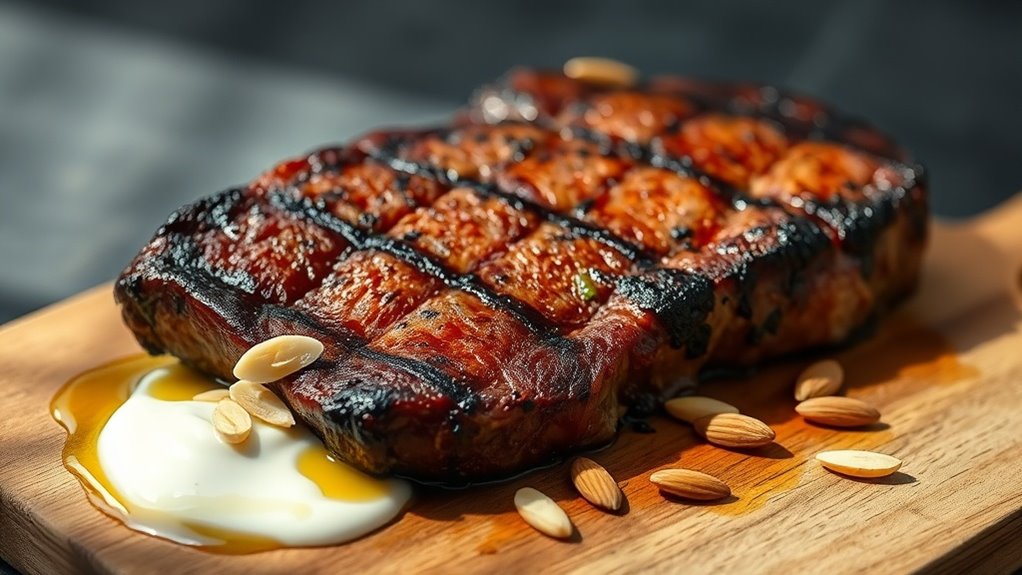
Understanding how protein and fat influence satiety requires precise, evidence-backed language: both macronutrients modulate hunger signals beyond calories, with protein generally reducing appetite more effectively than carbohydrates or fats, and fat contributing to delayed gastric emptying and prolonged fullness. You’ll explore how pairing protein and fat shapes your satiety profile, considering mechanistic pathways and practical implications for daily eating patterns. Protein balance, when combined with dietary fat, appears to enhance postprandial fullness through multiple pathways, including increased peptide hormone signaling and sustained digestion, which collectively dampen subsequent energy intake. You’ll note that protein’s high thermic effect and its impact on gut-brain communication can reduce calorie counting pressure while preserving lean mass, particularly when intake aligns with activity levels and weight goals. Fat metabolism contributes to meal-time signaling via cholecystokinin release and slower gastric emptying, extending a sense of fullness beyond the immediate postprandial period. This delayed gastric emptying interacts with protein-driven satiety signals to produce a more durable fullness trajectory, potentially lowering cravings between meals. You’ll recognize that the magnitude of these effects depends on total energy context, food matrix, and protein quality, yet consistent findings indicate synergy when both macronutrients are present in balanced proportions. In practice, you benefit from prioritizing protein sources with high satiating potential and pairing them with healthy fats that support slow digestion, such as monounsaturated or polyunsaturated fats, while limiting highly processed fats that may not confer the same satiety benefits. You’ll also consider meal timing and portioning, as distributing protein and fat across meals can sustain avoidance of hunger spikes and prevent overeating. From a physiological perspective, protein balance influences gluconeogenesis, insulin response, and gut hormonal cascades, whereas fat metabolism modulates cholecystokinin, ghrelin suppression, and gastric motility. The integrated effect is a more stable inter-meal appetite signal, reducing impulsive snacking without compromising dietary variety or energy adequacy. You’ll conclude that pairing protein with fat is not about rigid constraints but about leveraging complementary mechanisms to sustain fullness, support adherence, and maintain nutrient adequacy. For individuals targeting weight management, a practical approach emphasizes incremental adjustments in protein intake alongside mindful fat sources, guided by appetite cues and satiety ratings. In summary, the synergistic interaction of protein balance and fat metabolism underpins a robust satiety response, contributing to more consistent energy intake patterns and improved diet quality over time.
Commonly Asked Questions
How Does Fiber Interact With Protein and Fat for Fullness?
Fiber interacts with protein and fat to boost fullness by slowing gastric emptying and delaying nutrient absorption, which extends post-meal satiety. You’ll likely feel longer-lasting fullness when fiber accompanies protein and fiber fat, as they synergistically dampen glucose spikes and regulate appetite hormones. In practice, fiber protein pairs support volume and transit time, while fiber fat contributes to energy density and slower digestion. This combination enhances satiety, influencing total daily intake via fiber protein and fiber fat effects.
Do Meals With Fatty Fish Affect Lasting Satiety Differently?
Yes, meals with fatty fish can enhance lasting satiety, especially when aligned with meal timing. Fatty fish provides high-quality protein and long-chain omega-3s that slow gastric emptying and modulate appetite hormones, extending fullness between meals. When consumed at consistent meal timing, you may experience reduced later hunger and improved energy stability. Consider incorporating fatty fish 2–3 times weekly, paired with fiber-rich sides, to optimize satiety over several hours postprandially.
Can Plant Proteins Paired With Fats Boost Appetite Control?
Yes, you can boost appetite control with plant proteins paired with fats. You might doubt flavor or feasibility, but data show fat pairing enhances satiety signaling while protein provides amino acids for fullness. When you choose plant proteins alongside healthy fats, you’ll likely experience longer-lasting fullness and better appetite control. This satiety boosting approach, supported by peer-reviewed data, highlights practical combinations that support consistent intake without overeating.
Are There Timing Tricks to Maximize Protein-Fat Satiety?
Yes, there are timing tricks to maximize protein-fat satiety. You should space protein-fat meals or snacks evenly through the day, aiming for roughly steady intake to sustain fullness signals. Pairing 20–40 grams of protein with healthy fats at each meal can enhance fullness more than protein or fat alone. Consider consuming protein-fat combos within 1–2 hours post-workout and again at main meals to support protein fat fullness without spikes in hunger.
Does Protein Quality Influence Fat-Related Fullness Effects?
Protein quality does influence fat satiety, albeit modestly; higher-quality proteins tend to sustain fullness longer than lower-quality ones when paired with dietary fat. Specifically, a 1.6 g/kg/day protein intake with diverse amino acids improves satiety signals more reliably than lower levels. You’ll notice that fat satiety interacts with protein quality, shaping meal-driven fullness. When you prioritize complete proteins, you may experience steadier appetite control, enhanced inter-meal satiety, and leaner energy intake across days.