
You’re unlikely to notice results until you lock in steady daily macros, a coincidence that often separates beginners from those who stick with it. You’ll focus on high-quality fats, moderate protein, and limited carbs, while staying hydrated with electrolytes. Keep meals consistent and active, adjust for activity, and lean on sleep and stress management. If you track progress and fine-tune hydration, macros, and routines, you’ll uncover a practical path that could change your approach—so what’s the next small step you’ll take?
Important Facts
- Lock in consistent daily macros focused on steady fat adaptation and predictable ketosis.
- Align meals around high-quality fats, moderate protein, and limited carbohydrates to sustain fat burning.
- Prioritize hydration and electrolytes (sodium, potassium, magnesium) to support energy and cramps control.
- Choose steady, moderate exercise to deplete glycogen and reinforce ketone production.
- Maintain sleep quality and track progress (weight, waist, energy) to adjust macros and hydration as needed.
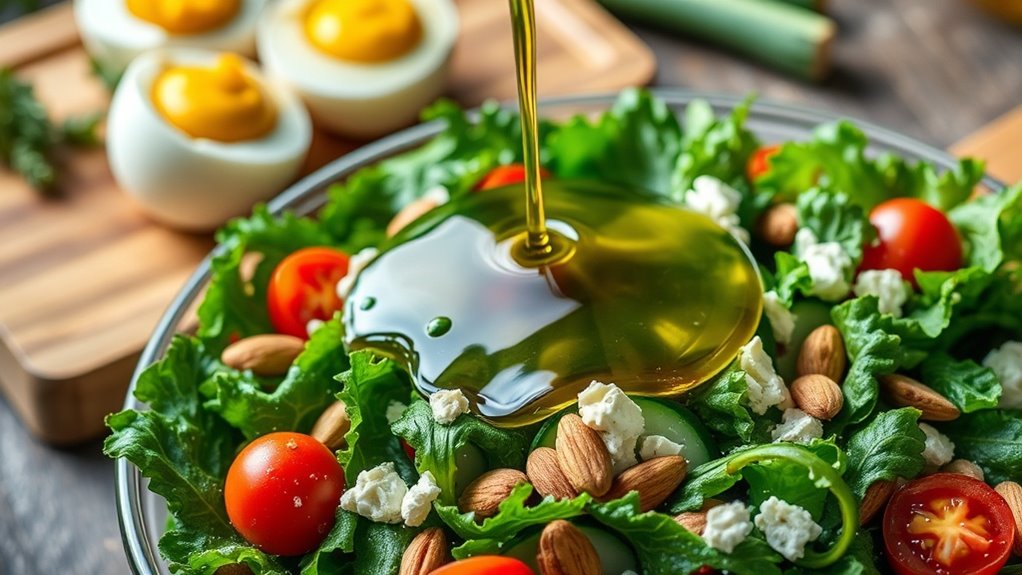
Wondering why your keto progress stalls can be frustrating, but you can boost results naturally by focusing on simple, evidence-based tweaks. You’re aiming for steady fat oxidation, stable energy, and better metabolic efficiency, so let’s start with small, practical adjustments. First, lock in your daily macros with consistency. Ketosis isn’t about chasing ultra-low carbs in bursts; it’s about predictable intake that supports fat adaptation. Track your average daily carb intake and keep it within your target window, recognizing that a few grams over can delay fat burning. Protein matters too: too little can stall progress, too much can kick you out of ketosis. Find a sensible range that preserves muscle while letting fat do the heavy lifting.
Lock in consistent macros for steady fat adaptation and sustainable ketosis.
Next, align your meals with fat adaptation. When you’re fat-adapted, your body learns to burn fat for fuel more efficiently, reducing cravings and energy crashes. To support this, prioritize high-quality fats as the primary energy source, with moderate protein and limited carbohydrates. Favor whole foods—avocados, olive oil, fatty fish, nuts, seeds, eggs—while avoiding highly processed fats that may disrupt metabolic signals. A steady, steady rhythm of meals helps your body stay in fat-burning mode between eating windows, reinforcing the keto mindset as a practical habit rather than a ritual.
Hydration and electrolytes are often overlooked but essential. As you shift into fat metabolism, you lose electrolytes through urine and sweat, which can cause headaches, fatigue, or cramps. Ensure you’re drinking enough water and supplementing with sodium, potassium, and magnesium according to your activity level and climate. A pinch of salt in water or broth, paired with a modest magnesium supplement in the evening, can improve sleep and reduce leg cramps, supporting consistency in your routine.
Activity supports fat adaptation without pushing you into overtraining. You don’t need marathon-level cardio; steady, moderate exercise, like brisk walking, cycling, or resistance work a few days a week, helps deplete glycogen stores and encourages ketone production. Include short, purposeful workouts that you can repeat consistently. Consistency beats intensity when your aim is sustainable fat burning and a resilient keto mindset.
Sleep underpins hormone balance, appetite control, and recovery, all of which influence keto results. Prioritize a regular sleep schedule, a cool, dark environment, and a wind-down routine that reduces late-night snacking. When your sleep improves, you’ll experience steadier energy, better mood, and calmer cravings, all of which reinforce your fat adaptation and long-term adherence to the keto plan.
Finally, monitor progress with practical, objective measures. Track weight trends, waist measurements, and energy levels, not just ketosis tests. If you notice persistent fatigue, disruptive sleep, or stalled progress after several weeks, reassess your macros, hydration, and activity. By maintaining a targeted keto mindset and reinforcing fat adaptation through consistent habits, you’ll boost results naturally and sustainably.
Commonly Asked Questions
Can I Drink Alcohol on a Keto Diet?
Yes, you can drink alcohol on keto, but choose wisely. Opt for dry wines, light beers, or spirits with zero-carb mixers, and always track servings to stay in ketosis. Alcohol safety matters: drink slowly, hydrate, and avoid high-sugar cocktails. For social planning, pre-empt menus, pace yourself, and have keto-friendly snacks ready. Remember that alcohol can lower glucose and impair judgment, so plan ahead and monitor how your body responds.
Will I Feel Hungry During Ketosis Adaptation?
Yes, you may feel hungry at first, but hunger often eases as ketosis progresses. During adaptation, hunger cues can be subtle; you might mistake appetite for habit. Eat balanced meals, include protein and fiber, and stay hydrated to curb cravings. Expect adaptation fatigue early on, but it typically improves within 1–3 weeks. Track portions, prioritize nutrient density, and listen to your body. If hunger persists, adjust fat intake and protein to support steady energy.
Do Electrolytes Always Help Keto Fatigue?
Electrolytes don’t always fix keto fatigue, but they often help when timing and absorption are right. You’ll want to optimize electrolyte timing by pairing fluids with meals and workouts, and avoid large, rapid shifts that spike insulin. Mineral absorption improves when you spread intake across the day and choose highly bioavailable forms. If fatigue persists, test hydration status, sodium needs, and potassium intake, and adjust gradually to stay evidence-based and practical.
Is Fasting Compatible With Keto for Beginners?
Fasting compatibility with keto for beginners is generally good, but start slowly. You can try a 12:12 or 14:10 fasting window to gauge tolerance, then adjust. For beginners ketosis, listen to hunger cues and guarantee adequate electrolytes and protein. Evidence suggests benefits when combined with a well-formulated keto plan. If you have medical conditions, consult a professional. Track energy, mood, and ketone levels to confirm progress.
How Quickly Can I Reverse a Keto Platea?
You can reverse a keto plateau in days to a couple weeks, depending on your plan. Start with precise electrolyte tweaks (sodium, potassium, magnesium) and ensure your protein, carbs, and fats align with your targets. Track calories if needed, stay hydrated, and add resistance workouts. Consistency matters. You’ll likely see momentum as your body re-enters ketosis. Evidence suggests gradual progress beats quick fixes—so monitor, adjust, and persist.