
You might doubt that a splash of apple cider vinegar changes cravings, but small, measurable effects on digestion and blood sugar can influence hunger signals. You may notice slower gastric emptying and steadier post-meal glucose, which can dampen rapid hunger cues and blur cravings tied to drops in blood sugar. Individual responses vary, and timing, dose, and context matter. There’s a subtle mechanism worth considering, and it could explain why cravings drop for some people—yet the full picture remains nuanced.
Important Facts
- Slower gastric emptying from acetic acid can lengthen fullness after meals, reducing desire to eat soon after eating.
- Modest improvements in postprandial glucose with ACV may stabilize hunger signals and decrease cravings.
- Indirect hormonal shifts (e.g., GLP-1 and insulin responses) due to glycemic changes can influence satiety.
- Subjective craving reductions may reflect expectancy, context, and appetite perception rather than large physiological changes.
- Individual microbiome differences and dosing/t timing of ACV likely drive why cravings change for some people but not others.
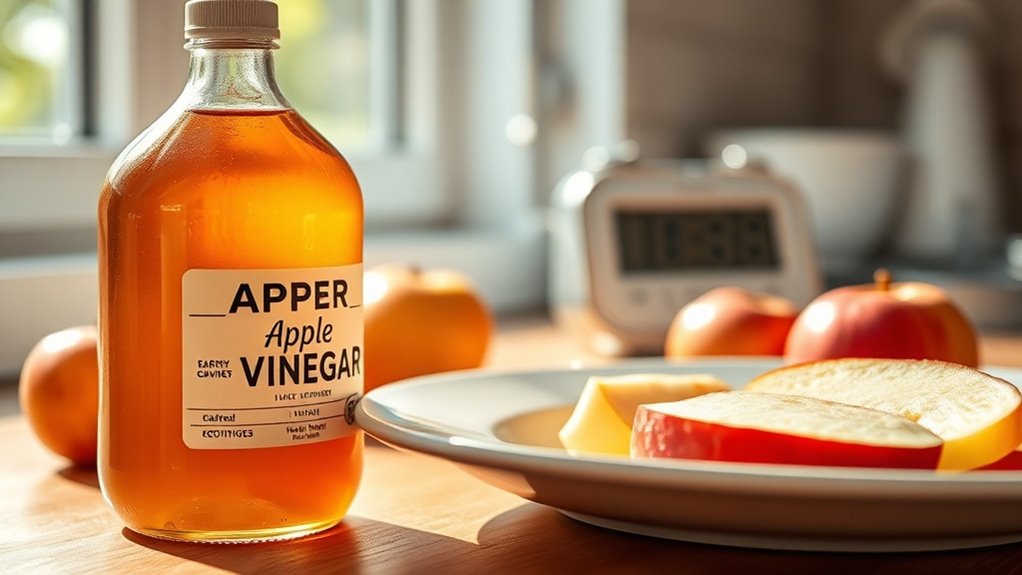
There’s growing interest in whether apple cider vinegar (ACV) can curb cravings, and recent reports suggest many people notice fewer urges after incorporating it into their routine. In this discussion, you’ll explore how ACV might influence appetite-related processes from a factual, evidence-based perspective. You’ll examine basic mechanisms without assuming universal outcomes, and you’ll emphasize what the research can and cannot confirm about short- and long-term effects.
First, you’ll consider how ACV could interact with hormone balance. Some studies suggest acetic acid—the main component of ACV—may slow gastric emptying and modestly impact glucose responses. These effects can alter hormonal signals involved in hunger, such as insulin and glucagon-like peptide-1 (GLP-1). You may observe that changes in these hormones can influence appetite regulation indirectly, though results vary by study design, dose, and duration. You’ll note that existing human data are limited and often involve small samples, so broad generalizations require caution.
ACV’s acetic acid may slow gastric emptying and subtly alter glucose responses, nudging hunger signals.
Next, you’ll evaluate satiety signals. If ACV delays emptying or stabilizes postprandial glucose, you could see shifts in sensations of fullness after meals. Some participants report subjective reductions in cravings, potentially linked to a more favorable satiety profile. Yet you’ll recognize that self-reported appetite is influenced by context, expectancy, and measurement methods. Objective outcomes—such as subsequent energy intake—have shown mixed results, underscoring the need for standardized, longer-term trials to clarify whether ACV sustainably modulates hunger cues.
Then, you’ll address the gut microbiome. Emerging work suggests dietary components can alter microbial composition and metabolite production, which may shape appetite regulation. ACV’s acetobacter-rich profile and low pH might affect microbial communities or fermentation processes in the gut. However, direct evidence connecting ACV to meaningful, consistent changes in appetite via microbiome pathways remains preliminary. You’ll point out that individual microbiomes vary and that observed effects could reflect baseline differences rather than universal responses to ACV.
Finally, you’ll synthesize how these pieces relate to appetite regulation overall. You’ll describe a plausible pathway where acetic acid influences gastric dynamics and glucose handling, which, in turn, could modulate hormone balance and satiety signals. You’ll emphasize that, in practice, any craving reduction is likely to be modest and highly person-dependent, influenced by dosage, timing, and adherence. You’ll caution against relying on ACV as a sole strategy for appetite control, recommending it be considered as part of a broader, evidence-based plan that includes balanced nutrition, fiber intake, and mindful eating.
Commonly Asked Questions
Does ACV Work the Same for Everyone?
Does ACV work the same for everyone? No. Individual responses vary due to factors like metabolism, overall diet, timing, and placebo effects. Some people notice appetite changes or modest weight shifts, while others report minimal impact. Evidence remains mixed and not universally conclusive. When evaluating does acv work, consider personal trial duration, consistency, and monitoring. If you’re curious, track hunger signals, caloric intake, and days with ACV to gauge your own, individualized response.
How Soon After Taking ACV Do Cravings Drop?
Cravings can drop within 15–60 minutes after taking ACV for some people, but timing varies. You might notice appetite suppression duration lasting a couple of hours, with effects diminishing as your body processes the vinegar. Evidence is mixed and individual responses differ. You should monitor how you feel and adjust. Keep expectations measured, and note that hydration and balanced meals influence cravings timing as much as ACV itself. If concerns persist, consult a clinician.
Can ACV Replace Meals for Appetite Control?
ACV can’t reliably replace meals for appetite control. You may experience short-term appetite response from its acidity, but evidence doesn’t support lasting craving timing or sustained energy without nutrients. If you’re using it, pair it with balanced meals, fiber, and protein. Rely on structured meal planning for consistency, not vinegar alone. Monitor how your body reacts, and consult a clinician if you notice persistent hunger, dizziness, or weakness.
Are There Side Effects From Long-Term ACV Use?
Long-term ACV use can cause side effects for some people, including tooth enamel erosion and digestive discomfort. About 25% report transient symptoms like nausea or throat irritation. You should watch for persistent symptoms, and avoid chronic high-dose use. Craving mechanisms and metabolic impacts may be influenced by acidity, but effects aren’t uniformly harmful. If you’re concerned, monitor intake, pace doses, and consult a clinician. Evidence remains mixed, and individual responses vary.
Should ACV Be Diluted or Taken Straight?
ACV should be diluted, not taken straight. Dilution protects your esophagus and teeth, and helps you avoid stomach irritation. For dosage timing, take it mid-meal or with a meal to reduce potential acid-related discomfort, and avoid fasting periods. Use 1–2 tablespoons (15–30 ml) per 8 oz (240 ml) of water, up to a few times daily, depending on tolerance. Always consult a clinician before long-term use or if you have ulcers or reflux.