
When you travel, you can protect ketosis by planning ahead, choosing high-quality fats, and keeping carbs low with smart protein and leafy greens. Pack portable fuels, stay hydrated, and use hotel kitchens or plain protein options when possible. Track intake and adjust quickly after any slip, so you don’t lose momentum. It’s a practical approach grounded in steady routines and real-world choices that may surprise you with how sustainable it can be—and there’s more to optimize as you go.
Important Facts
- Plan meals around low-carb vegetables, quality fats, and protein, keeping carbs consistently low while meeting energy needs.
- Pack portable, non-perishable keto staples (nuts, jerky, cheese sticks, avocados, olive oil packets) and hydrate with water or unsweetened drinks.
- Use a mini kit (scale, macro-tracking app, electrolytes, thermometer) and prep in advance to reduce carb temptations.
- Leverage hotel or hostel options (mini-fridge, shared kitchen) and time meals to fit your routine.
- Track honestly, adjust as needed, and return to ketosis quickly after any slip.
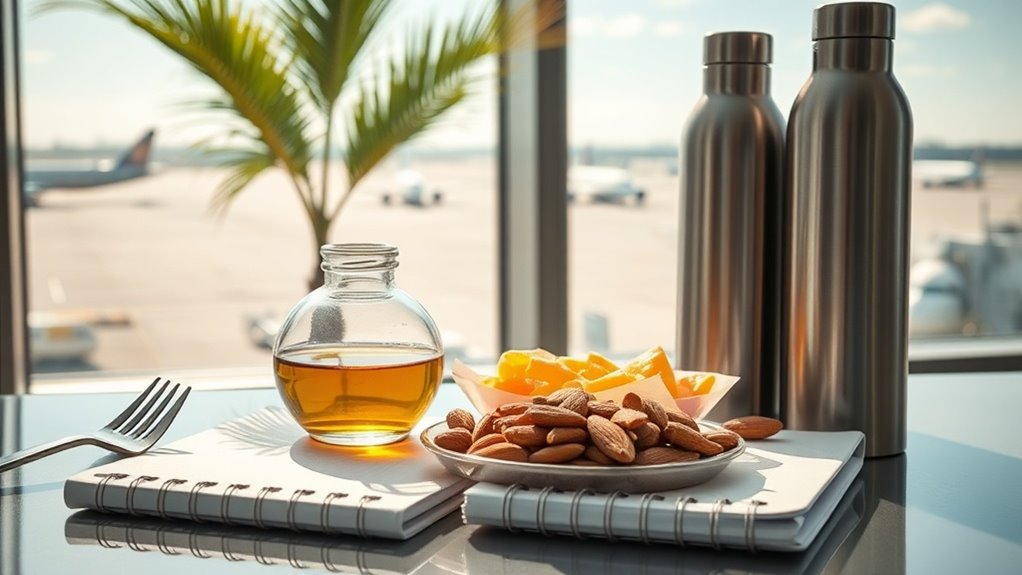
Travel can throw you off ketosis, but with a few practical strategies you can stay on track while you’re on the road. You’ll benefit from a clear plan, not wishful thinking, so you can make steady choices that respect your goals and health. First, anchor your approach in evidence: ketosis relies on keeping carbs low, protein moderate, and fats sufficient to meet energy needs. In travel scenarios, you’re often faced with temptations and variable access, but you can create predictable routines that reduce decision fatigue and support adherence.
Begin with travel friendly staples you can rely on, regardless of venue. Aim for nutrient-dense options that fit your macros, such as high-quality fats, portable proteins, and low-carb vegetables. If you pack snacks, choose items that don’t require refrigeration and stay fresh in transit. The idea of travel friendly staples is to minimize hunger between meals while avoiding hidden carbs. Think about cheese sticks, jerky without added sugar, nuts, seeds, avocados, olive oil packets, and single-serve nut butters. These choices help sustain energy without spiking your glucose. When you shop at airports or stations, prioritize plain proteins, hard-boiled eggs if available, and salads with olive oil dressing on the side. Hydration matters too; water, sparkling water, and unsweetened beverages keep you alert and support satiety.
Keto friendly packing is the second practical pillar. You can reduce risk by bringing a compact kit that travels with you. Include a small scale, a macro-tracking app, salt or electrolyte packets, a thermometer for certain perishables, and a few versatile ingredients like coconut milk powder or MCT oil sticks. Planning the packaging means you’re less likely to rely on quick, carb-heavy options. If you fly, consider how you’ll handle meals: you may need to request a special meal ahead of time or forgo airline snacks in favor of your own. In hotels or hostels, a mini-fridge can be a game changer for perishable fats and proteins, while a shared kitchen enables simple meal prep.
Behavioral strategies support consistency. Predefine meal times within your travel window and use reminders to stay on track. Track your intake honestly, not judgmentally, so you can adjust rather than abandon your plan. When you encounter a high-carb temptation, pause, assess your cravings, and choose a lower-carb alternative you enjoy. If you slip, return to your plan promptly instead of abandoning ketosis altogether. The goal is sustainable adherence, not perfection. With deliberate choices about travel friendly staples and keto friendly packing, you can preserve ketosis while you explore, work, or visit loved ones.
Commonly Asked Questions
How to Handle Keto Flu Symptoms While Traveling?
To handle keto flu symptoms while traveling, you’re advised to stay hydrated and restore electrolyte balance. Hydration strategies include sipping water regularly and adding a pinch of salt to drinks, if tolerated. Prioritize electrolyte balance with potassium and magnesium options when possible. Use practical steps like easy-proof meals, rest, and gradual activity. If symptoms persist, seek medical advice; consider temporary adjustments to carbs if needed, and monitor your energy and hydration closely.
Can I Drink Alcohol on a Ketogenic Trip?
Yes, you can drink alcohol on a ketogenic trip, but choose wisely. Picture a marathoner sipping water at mile 20: you’ll want steady fuel, not a crash. In practice, opt for sugar free alcohol and watch portion sizes, as high protein indulgences can slow ketosis if paired with excess calories. Track carbs, stay hydrated, and prioritize evidence-based choices; you’ll enjoy social moments while staying practical, patient-centered, and ketotic.
Are Keto-Friendly Snacks Accessible Abroad Cost-Effectively?
Yes, keto friendly abroad is often accessible, and you can find cost effective snacks if you plan. Look for nuts, jerky, cheese, olives, and seed packs at markets or convenience stores. Compare unit prices, buy in bulk when possible, and translate labels to avoid hidden sugars. Opt for local dairy or meat snacks to stay within ketosis while cutting costs. Pack non-perishables and research grocery apps for budget-friendly deals.
How to Track Macros Without a Scale on the Road?
On the road, you can track macros effectively without a scale by estimating portions and using common-basis guidance. About 60–80% accuracy still supports ketosis, so start with palm-sized protein, half-plate veggies, and a cupped-hand carb estimate. Keep protein and fiber steady to reduce keto flu risk. Practice tracking macros, adjust as you go, and carry simple tools. Travel tips include pre-trip meal planning and logging meals in apps. Stay patient, persistent, and data-driven.
What to Do if a Restaurant Cannot Accommodate Keto?
If a restaurant can’t accommodate keto, you adapt by prioritizing protein and customizing your meal. Start with menu proteins (steak, chicken, fish) and request vegetable sides without starchy additions, plus a fat source like olive oil or butter. Favor restaurant customization to keep carbs low, ask for sauces on the side, and avoid bread or fried coatings. This evidence-based approach keeps you protein prioritized while staying practical and patient-centered during travel.