
Hydration fuels your fat-burning engine by supporting blood volume, thermoregulation, and hormonal signals that regulate hunger and energy use. When you’re properly hydrated, your workouts feel steadier, glycogen is spared, and fats become a more efficient energy source. Electrolytes prevent cramps and headaches that derail effort. Get this balance right consistently, and you’ll notice shifts in performance and appetite that suggest fat oxidation is quietly changing—a clue that your next move matters more than you think.
Important Facts
- Hydration boosts metabolism and supports fat oxidation by maintaining blood volume and efficient nutrient delivery during exercise.
- Adequate fluids optimize lipolysis and glycogen sparing, improving fat as a fuel source during workouts.
- Electrolyte balance prevents dehydration-related fatigue, cramps, and headaches that hinder fat-loss efforts.
- Proper hydration modulates appetite signals, aiding adherence to calorie plans and reducing overeating.
- Front-loaded and steady hydration enhances performance, recovery, and hormonal signals that favor fat loss.
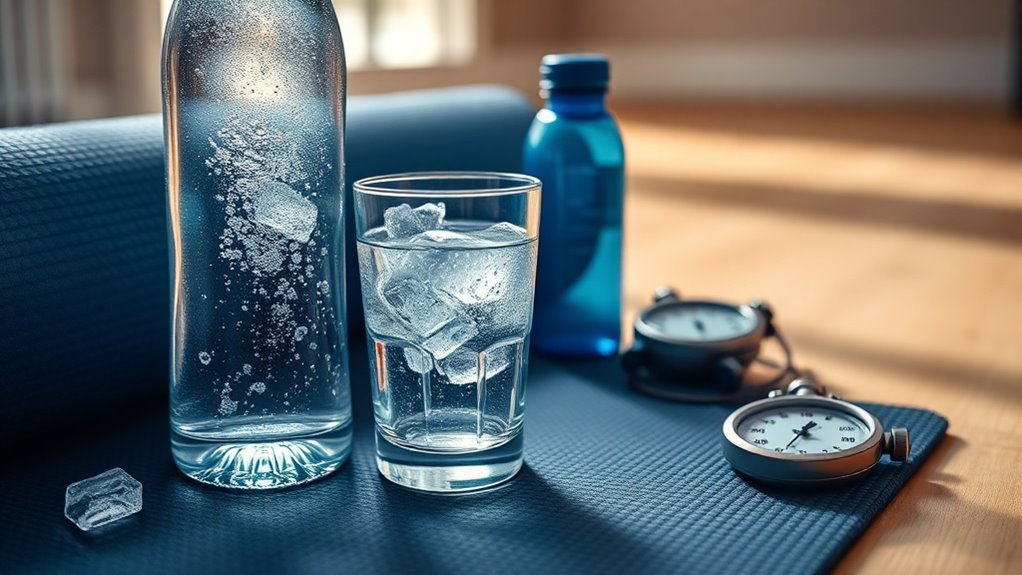
Hydration isn’t just about quenching thirst—it’s a key driver of fat loss. You’ll see that proper fluid intake isn’t a vague preference; it’s a concrete tool that supports metabolism, exercise performance, and hormonal signals that govern fat utilization. When you optimize hydration timing, you align your body’s energy systems so fat becomes a more available fuel during workouts and daily activity. Your focus should be on consistent intake rather than sporadic gulps, because steady hydration sustains blood volume, microcirculation, and nutrient delivery to muscle and liver tissues involved in fat processing. You’ll notice improved endurance, clearer concentration, and more reproducible workout outputs as a direct result.
Hydration fuels fat loss by sustaining performance, hormones, and steady energy for workouts and daily activity.
Electrolyte balance matters alongside fluid volume. Sodium, potassium, and chloride help maintain osmolality and nerve function, which keeps your muscles coordinated and reduces the risk of early fatigue. If you drink large amounts of plain water without replacing electrolytes, you may experience headaches, cramps, or dizziness that interrupt training and recovery. Conversely, a balanced electrolyte approach supports sustained performance, minimizes perceived exertion, and preserves the integrity of metabolic pathways that mobilize and burn fat. You don’t need extravagant solutions; a targeted plan around meals and workouts is sufficient to stabilize these signals.
Your body will rely on hydration timing to optimize lipolysis and glycogen sparing during exercise. In practice, that means front-loading fluids before workouts, sipping during sessions, and replenishing thoughtfully afterward. Pre-workout hydration primes blood volume and heat dissipation, ensuring you maintain intensity longer. During activity, small, frequent intakes prevent dehydration-related declines in cardiac output and muscular efficiency. Post-workout hydration accelerates recovery, reduces cramping risk, and supports liver and muscle processes that convert fatty acids into usable energy. If you train in hot or humid environments, your emphasis on timing becomes even more critical.
Beyond performance, hydration influences appetite signals and digestion, which indirectly affects fat loss. Adequate fluids can help regulate hunger hormones and the perception of fullness, making it easier to stick to a calorie plan without feeling deprived. Pair hydration with balanced meals that include protein and fiber, and you amplify fat-burning potential because your body preserves lean tissue while prioritizing fat as a fuel source when energy demands are met efficiently. In short, your water strategy—timing, electrolyte balance, and consistency—acts as a foundation for effective fat loss, not a mere accessory.
Commonly Asked Questions
Does Water Intake Directly Release Fat Stores for Energy?
Water intake doesn’t directly release fat stores for energy. It supports hydration metabolism and optimizes fat oxidation during activity, but you don’t “pour” fat out of stores just by drinking. Adequate water helps transport nutrients, regulates metabolism, and can improve performance, which indirectly boosts fat burning. Stay hydrated to support water fat oxidation processes, and pair fluids with balanced calories and training. Your fat loss results hinge on consistency, not a single sip.
Can Dehydration Slow Metabolism Independently of Calories?
Yes, dehydration can slow metabolism in a calorie-independent way. When you’re dehydrated, your body conserves water and reduces energy expenditure, which lowers calorie-independent metabolism. You might also feel fatigued, reducing activity levels that burn energy. Stay consistently hydrated to minimize dehydration effects and keep your metabolic rate more stable. Remember, even mild dehydration shifts your physiology enough to impact daily energy burn and overall thermogenesis.
Is There a Specific Water Amount to Optimize Fat Loss?
Yes, there isn’t a one-size-fits-all magic number, but aim for steady, lean hydration rather than chugging at once. You’ll optimize fat oxidation by consistently meeting your daily needs, adjusting for activity, climate, and body size. Think of about 2–3 liters as a baseline for many adults, more if you sweat heavily. Stay mindful: hydration supports metabolism, appetite control, and energy, helping your fat-loss efforts with precise, reliable fluid balance.
Do Electrolyte Drinks Aid Fat Burning More Than Plain Water?
Electrolyte drinks can aid performance and maintenance of electrolyte balance more effectively than plain water during intense or long workouts, but they don’t magically accelerate fat burning on their own. You benefit from proper hydration timing and replacing electrolytes when you sweat heavily. Choose drinks with balanced electrolytes and modest sugars. For fat loss, prioritize total calories and exercise, then use electrolyte beverages strategically to sustain effort without derailing your hydration plan.
Can Hydration Improve Exercise Performance Enough to Burn More Calories?
Hydration can boost performance enough to burn more calories during workouts. If you optimize hydration timing, you may see a noticeable lift in endurance and pace. Imagine staying only 1–2% fresher; that small edge compounds. You’ll want to monitor electrolyte balance to prevent cramping and maintain smooth contractions. When you pair proper hydration timing with steady electrolyte balance, your effort translates into more efficient calorie burn without guessing.