
You may notice belly fat lags on keto because belly fat—especially visceral tissue—responds to signaling, blood flow, and receptor activity that differ from other fat depots. Ketosis lowers insulin and shifts fuel use, but cortisol and inflammation can blunt regional lipolysis, and liver fat dynamics may drive slower belly-shrinkage despite overall weight loss. Understanding these mechanisms helps you tailor pace, protein, and exercise as you pursue continued reduction. There’s more to uncover about timing and strategy as you proceed.
Important Facts
- Belly fat, especially visceral fat, is more metabolically active but can lag in loss due to regional fat regulation and receptor differences.
- Ketosis shifts fuel toward fat—and belly fat may resist until insulin sensitivity improves and overall energy balance is favorable.
- Initial weight loss often reflects water from glycogen depletion, while true belly fat loss occurs over weeks.
- Consistent carb restriction and protein intake help preserve lean mass, supporting steady belly fat reduction.
- Stress, sleep, and hormonal signals cause fluctuations in lipolysis, influencing the tempo of belly fat loss during keto.
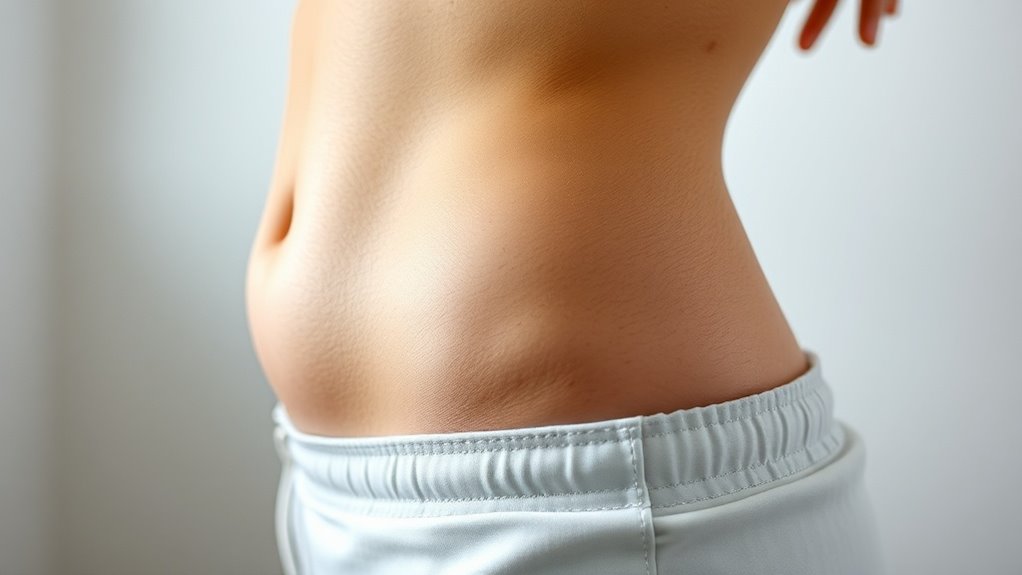
Why does belly fat respond differently to keto? You’re exploring how body fat, particularly belly fat, shifts when you reduce carbohydrate intake and enter ketosis. In this context, you’ll assess how ketosis mechanisms influence energy use, fat mobilization, and storage patterns. When you restrict carbs, your liver increases ketone production, and your body shifts toward fat as a primary fuel. This shift changes substrate availability for muscles and organs, but the pattern isn’t uniform across regions. Belly fat often shows a slower reduction compared with fat from other depots, and you’re not imagining that variability—it’s tied to biology, hormones, and local fat metabolism.
Belly fat often shrinks slower than other depots due to biology, hormones, and local fat metabolism.
You’ll notice that metabolism timing matters. In early ketosis, glycogen depletion reduces water weight quickly, but true fat loss unfolds over weeks as adipocytes release fatty acids for liver oxidation. The rate-limiting steps depend on how your tissues signal lipolysis, how quickly insulin falls, and how persistent your dietary pattern remains. If you’re not maintaining a consistent carbohydrate limit or if protein and fat intake cause caloric balance to tilt toward surplus, belly fat reduction can stall despite adherence. Therefore, timing aligns with metabolic cues: insulin sensitivity improves gradually, and catecholamine-driven lipolysis can wax and wane with stress, sleep, and training, altering the tempo of fat loss in the midsection.
You’ll also consider fat distribution and regional differences. Visceral fat, found around internal organs, tends to be more metabolically active than subcutaneous fat and often responds to energy deficit, yet its regression can lag behind overall fat loss. In practice, this means you may observe a steadier decline in trunk measurements after several weeks, with sometimes disproportionate changes elsewhere. Ketosis mechanisms promote oxidation of fatty acids, but the anatomical milieu of belly fat—receptor density, blood flow, and inflammatory status—modulates how readily fat is released and burned. If you’re chronically inflamed or stressed, lipolysis may be blunted, extending the time needed to see trunk-area changes.
You’ll benefit from monitoring concrete markers rather than relying on theory alone. Track body measurements, not just scale weight, to capture regional shifts. Assess metabolic indicators such as fasting glucose or triglyceride responses, which reflect tissue-level adaptations. Ensure your fat sources come from nutrient-dense options, prioritizing protein to preserve lean mass, while keeping carbs low enough to sustain ketosis without triggering counterproductive hunger or binge tendencies. By aligning daily practice with evidence-informed ketosis mechanisms and recognizing the role of metabolism timing in belly fat reduction, you create a realistic, targeted plan that respects fat distribution patterns and supports durable change.
Commonly Asked Questions
Does Genetics Influence Belly Fat Loss on Keto?
Genetic variation does influence belly fat loss on keto, so yes, your genes matter. You may experience differing rates due to inherited metabolic traits, appetite signals, and fat storage patterns. Some individuals exhibit enhanced fat browning, increasing energy expenditure on ketosis, while others show slower shifts. You should expect variability. Align your plan with monitoring, and consider genetic insights to tailor macros. Focus on consistent ketosis, adequate protein, and resistance training to optimize fat browning potential.
Can Hormones Spike Belly Fat Despite Ketosis?
Yes, hormones can spike belly fat even when you’re in ketosis. Inflammatory or stress-related hormonal signals can drive visceral fat accumulation, and metabolic bottlenecks may limit fat mobilization. Chronic cortisol elevation, insulin resistance, or thyroid imbalances disrupt fat loss despite ketone production. You should monitor hormones, adopt consistent sleep, stress management, and targeted exercise. If signals persist, clinicians can assess for endocrine issues and tailor interventions to address metabolic bottlenecks and optimize fat reduction.
Is Aging Slowing Belly Fat Reduction on Keto?
Aging can slow belly fat loss on keto, but not doom it. You’ll likely see a slower rate due to aging metabolism and hormonal shifts, yet progress is still possible with adherence. Focus on protein adequacy, resistance training, and caloric control. Epigenetics impact means long-term metabolic changes matter as you age. Tailor plans, monitor biomarkers, and adjust. You can optimize fat loss by combining keto with strength work and metabolic flexibility strategies.
Do Sleep and Stress Affect Keto Belly Fat Loss?
Sleep and stress do affect keto belly fat loss. High stress raises cortisol, which can promote abdominal fat retention, while poor sleep disrupts hunger hormones and may blunt fat oxidation. Prioritize consistent sleep timing ramps, aiming for 7–9 hours, regular wake times, and stress-reduction strategies. You may see improved fat loss when sleep quality and timing ramps enhance insulin sensitivity and metabolic restoration. Track patterns, adjust workouts, and maintain a near-keto diet to optimize results.
Should I Cycle Carbs to Target Belly Fat?
Carb cycling isn’t a guaranteed way to target belly fat, but you can try it carefully. You’ll likely benefit from structured carbohydrate timing to support workouts and metabolic flexibility, while watching total daily intake. Skepticism is valid—effects vary by person. If you choose carb cycling, prioritize consistent protein, fiber, and quality fats, and monitor changes to belly fat targets over 4–6 weeks to judge efficacy and adjust. Seek clinician guidance if you have metabolic concerns.