
Starting out on keto, you may notice a subtle shift in fluids and minerals, so think of electrolytes as a balance you can manage rather than a fix you rush. You should aim for modest sodium intake (roughly 2,000–3,000 mg daily) paired with steady potassium and magnesium to support nerves, muscles, and energy. Hydrate with water and lightly salted broths, and start magnesium 200–300 mg daily with meals. If you have health conditions or take meds, check with a clinician before changing your plan.
Important Facts
- Prioritize a balanced mix of sodium, potassium, and magnesium to support nerve function, muscle contraction, and energy production on keto.
- Aim for modest sodium intake up to 3,000 mg daily, using salted broths, soups, and lightly salted snacks.
- Hydrate consistently with water, pairing it with electrolytes and avoiding large salt-less water boluses.
- Start magnesium at 200–300 mg daily (citrate or glycinate), take with meals, and adjust if stools soften.
- Use practical snacks and meals (cheese, olives, plain jerky, leafy greens) to maintain electrolyte intake without overdoing salt.
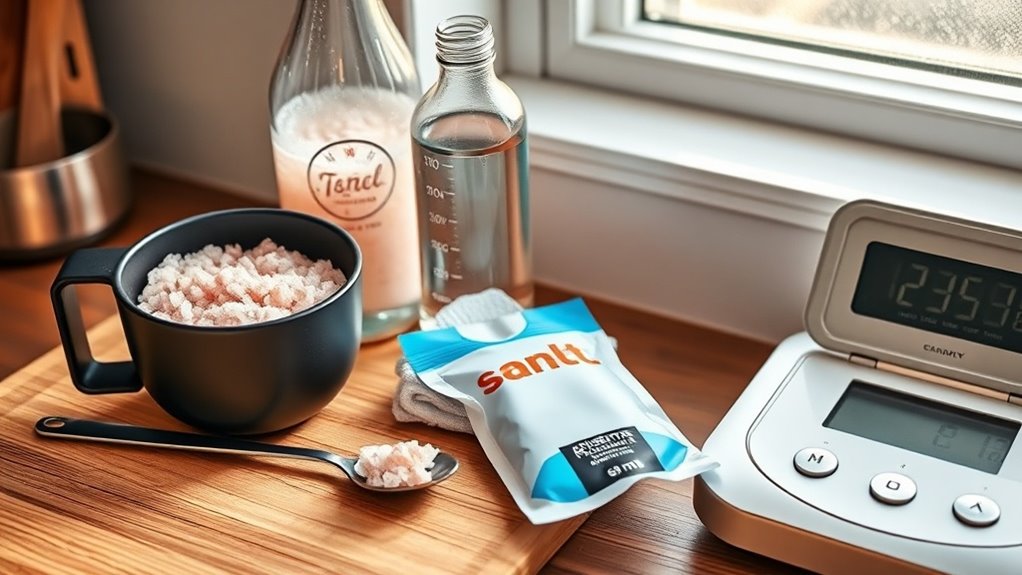
When you start a ketogenic diet, balancing electrolytes is essential to prevent common early side effects like headaches, fatigue, and muscle cramps. You’ll notice shifts in fluid balance and mineral needs as your body adapts to lower carbohydrate stores. The goal is not to fear these symptoms but to anticipate them with targeted intake and monitoring. Begin by understanding that sodium losses can be amplified on keto, so practical, evidence-informed adjustments matter. For many people, modest sodium intake up to 3,000 milligrams daily supports blood pressure stability and helps reduce cramping, especially during the first two weeks. If you have low blood pressure, kidney disease, or a history of hyponatremia, consult a clinician before increasing sodium intake.
Balancing electrolytes on keto helps prevent headaches, fatigue, and cramps in the first weeks.
A practical approach to electrolytes combines sodium, potassium, and magnesium, because these minerals influence nerve function, muscle contraction, and energy production. You can track symptoms rather than chase precise numbers alone, looking for improvements in alertness, reduction in headaches, and steadier energy after meals. For sodium, include flavorful sources such as salted broths, soups, or lightly salted snacks, and consider adding a pinch of salt to water during the day if you feel lightheaded. Hydration strategies should pair with electrolyte intake; sip water consistently rather than large boluses, and avoid excessive water that can dilute sodium levels. Food choices that naturally carry electrolytes support adherence and digestion, so plan meals around protein, healthy fats, and leafy vegetables while integrating minerals through foods and fortified options when appropriate.
When you think about magnesium, you’re addressing a common gap that can drive restless sleep, leg cramps, or daytime fatigue. Magnesium dosing often starts at 200 to 300 mg of a magnesium citrate or glycinate form daily, taken with meals to improve tolerance and absorption. If you experience loose stools, reduce the dose or switch to a gentler form. You may also obtain magnesium from foods like leafy greens, nuts, seeds, and whole grains selected within keto-aligned portions. The key is consistency; inconsistent supplementation yields little benefit. If you’re already taking medications or have a chronic condition, discuss magnesium with your clinician to avoid interactions and to tailor dosing to your kidney function and serum levels.
Low sodium snacks can be a helpful tactic to maintain steady intake without dominating meals. Examples include cheese slices, olives, olives tapenade on cucumber rounds, or simple jerky with no added sugars. Pair these with a glass of water and a small amount of extra salt if tolerated. This approach aligns with an evidence-informed, patient-centered plan: it’s practical, measurable, and adjustable based on your daily symptoms, activity level, and response to ketosis. In sum, balance electrolytes with thoughtful sodium intake, mindful hydration, and a realistic magnesium dosing plan to support tolerance, mood, and energy as you adapt to keto.
Commonly Asked Questions
Can Electrolytes Affect Sleep Quality on Keto?
Electrolytes can affect sleep quality on keto. You may notice sleep impact if electrolyte timing isn’t optimal; low sodium, potassium, or magnesium can cause restless sleep or night awakenings. To minimize effects, align supplementation with meal timing and your circadian rhythm, and monitor hydration. Use evidence-based dosing and adjust as needed. If sleep issues persist, reassess electrolyte timing, consider magnesium glycinate or citrate, and consult a clinician for personalized guidance.
Should I Test Electrolyte Levels Regularly?
Yes, you should consider regular electrolyte testing. It helps you tailor your intake and avoid symptoms like dizziness or cramping. Start with a baseline sanity check, then test if you notice issues or change your diet. Track results and discuss topic ideas with your clinician to determine appropriate frequency. Electrolyte testing isn’t mandatory for everyone, but it’s valuable if you’re on a strict ketogenic plan or taking medications that affect minerals. Stay proactive and informed.
Are Electrolyte Needs Different for Athletes?
Yes, electrolyte needs are higher for athletes due to sweat losses and increased demand. You should tailor intake around exercise, prioritizing electrolyte timing before, during, and after workouts, and ensure solid hydration. For endurance and heavy training, you may need more sodium, potassium, and magnesium than non-athletes. Track performance, cramps, or dizziness, adjust accordingly, and pair fluids with electrolytes. This evidence-based approach supports steady energy, proper recovery, and optimal workout hydration.
Can Too Much Salt Cause Issues on Keto?
Yes, too much salt can cause issues on keto. Excess salt may raise blood pressure, trigger edema, or worsen kidney strain if you already have underlying concerns. To support electrolyte balance, tailor salt intake to symptoms, activity, and climate, not a fixed number. Monitor thirst, urination, and weight. Prioritize balanced electrolyte sources, stay hydrated, and discuss persistent issues with a clinician. Your salt intake should align with evidence-based guidance for your individual needs.
Do Potassium Supplements Interact With Meds?
Potassium supplements can interact with certain meds, so yes, they may have potassium interactions. You should check medication compatibility with your clinician before starting or adjusting supplements. Potassium can affect blood pressure, heart rhythm, and kidney function, and some drugs (like ACE inhibitors, ARBs, certain diuretics, and NSAIDs) alter potassium levels. Always verify medication compatibility, monitor symptoms, and seek guidance to avoid dangerous interactions. Do not self-adjust dosages without professional advice.